
Guest Birds might be a rather unfamiliar name to many people today. Therefore, in the following article by HoiChimTroi.Com, we will help you accurately answer the question what are Guest Birds, what they eat, and what it means when they fly into your house. Let's explore together!!!
1. What are Guest Birds?
Guest Birds, also known as Velvet Swallows, Flag-Tailed Birds, have the scientific name Crypsirina temia, belonging to the Corvidae family. Although their name might sound strange, they are actually a quite common species in our country today. This bird species has appeared in our country since ancient times and has been raised since feudal times as a feng shui bird. In ancient beliefs, this bird is considered to bring good news and luck to its owners.
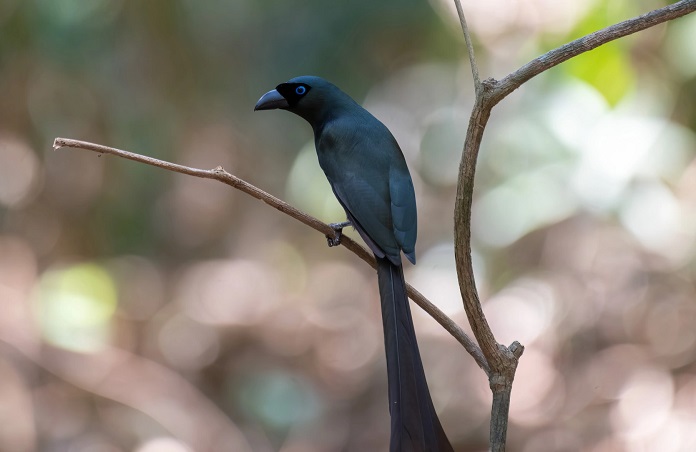
To help you better understand this Guest Bird, let's explore their characteristics with Hội Chim Trời such as: appearance, behavior, reproduction, lifespan... Specifically:
1.1. Appearance of Guest Birds
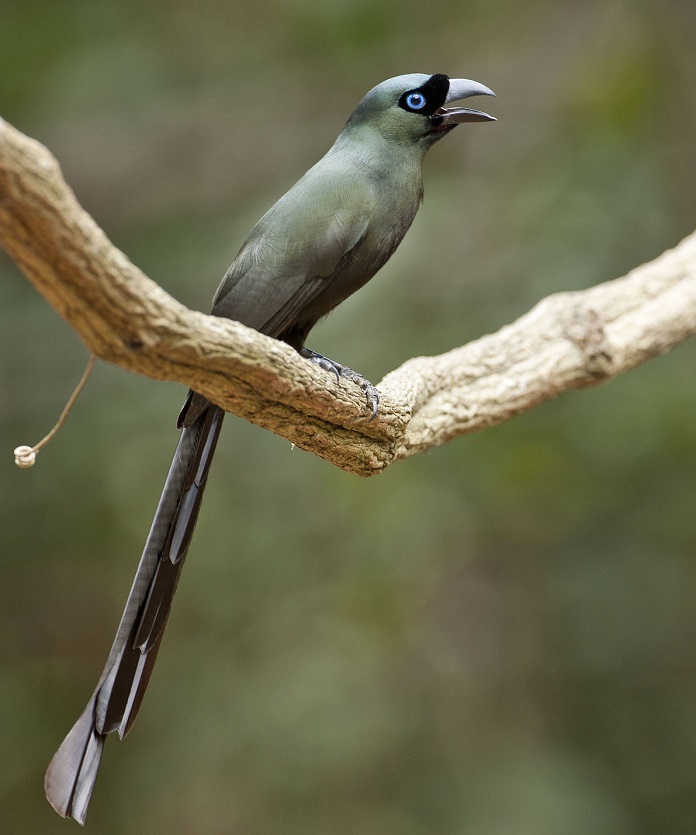
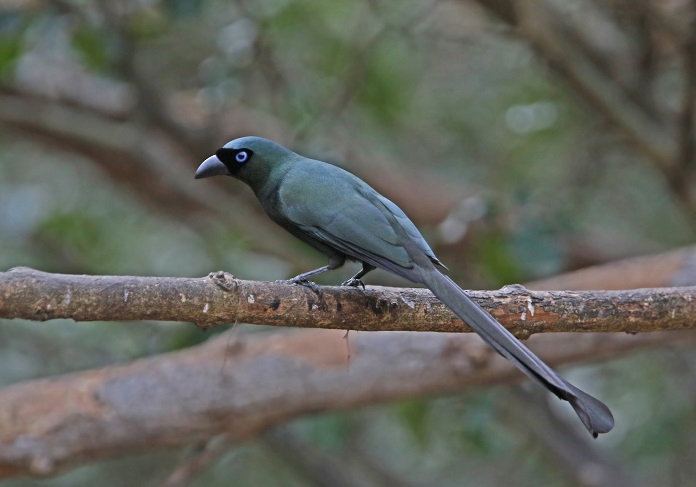
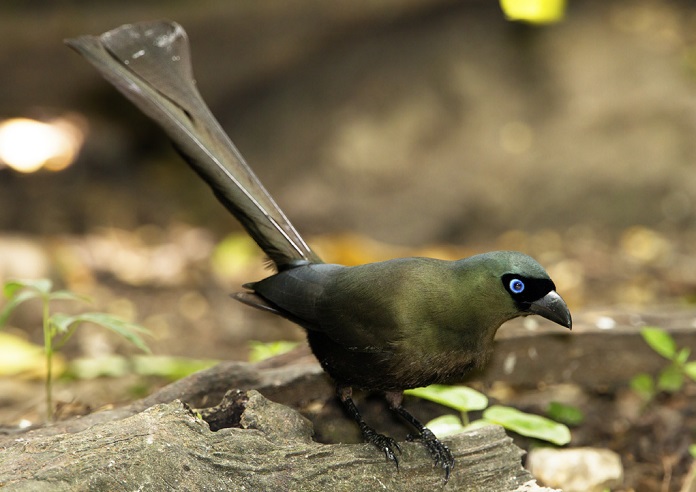
Guest Bird is a beautiful bird, with their main color being a very striking glossy black, accompanied by a very eye-catching forked tail. When fully mature, this bird can reach a length of 15-22cm, with the tail being longer than the body.
+ The head is slightly flattened, small, and has glossy black feathers.
+ Beak is about 2-3cm long, the upper beak is large, curved, pointed, and black in color.
+ Eyes are large, round, with black irises and white edges.
+ Legs are small, slim, about 3-4cm long, and black in color.
Their glossy black color is incredibly striking, especially under the sun where it becomes very shiny. However, depending on the living environment, their color may have slight changes like blue-black, brown-black...
1.2. Behavior of Guest Birds
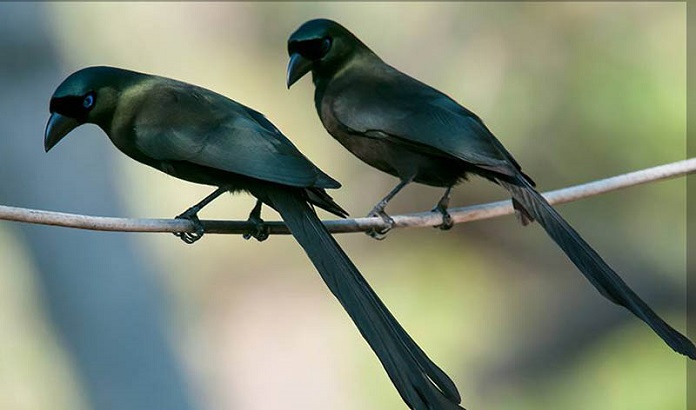
In nature, Guest Birds often live in small flocks of only 3-5 individuals. This bird species is very intelligent; they can accurately determine direction and wind direction to build nests. They do not have a distinct song like other birds, but they often emit a “Khách – Khách – Khách” sound to call their flock or warn of danger.
This bird species is found in large numbers in South Myanmar, India, Thailand, Java, Bali, China, Sumatra, Vietnam... Their preferred habitats are gardens with lots of trees, bamboo forests, bamboo groves, or melaleuca forests near villages.
1.3. Reproductive behavior of Guest Birds
The breeding season of Guest Birds is identified as the summer. During the breeding season, they leave the flock and live in pairs. Their nests are usually made in bamboo thickets or thorny bushes surrounded by dense grass. The nest is built quite low, made of dry grass, tree roots...
Each breeding season, the female lays 2-4 eggs, which are incubated for about 16-18 days. After hatching, the young birds will be cared for and nurtured for about 18-22 days. After this period, the young birds are strong enough to live independently, and they leave their parents.
2. What do Guest Birds eat?
The diet of Guest Birds in the wild includes various insects such as: grasshoppers, locusts, spiders, termites, ants, butterflies, katydids, flies, beetles... In addition, they can also eat ripe fruits and small seeds.
In a captive environment, their main food can be specialized bird feed, supplemented with insects and ripe fruits to help the bird develop most effectively.
3. How much do Guest Birds cost?
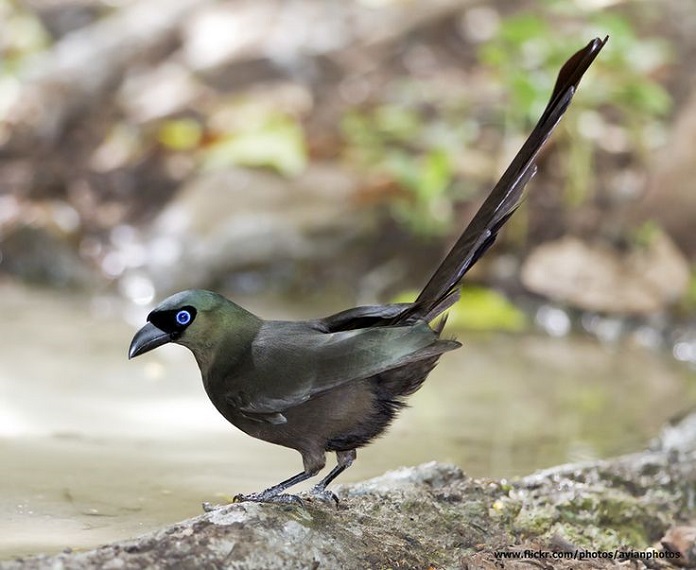
Currently, the price of Guest Birds is not too high, ranging from about 500,000 to 1,000,000 VND per bird. The price depends on various factors such as: gender, age, tameness... Young birds and wild birds are usually the cheapest and easiest to buy.
If you want to purchase this bird for raising, you should look for reputable bird shops. Or participate in bird enthusiast groups on social media to buy birds and gain more bird-raising experience.
4. What does it mean when a Guest Bird flies into the house?
A Guest Bird flying into the house is considered a sign of good luck in Vietnamese culture. According to folklore, when a Guest Bird flies into the house, it is seen as a good omen that brings positive meanings.
First, a Guest Bird flying into the house is seen as a welcome from nature, indicating that the homeowner will be protected and enjoy prosperity. This bird is often seen as a spiritual messenger, so when it appears, people believe the family will have new opportunities, luck, and success in life.
Additionally, Guest Birds are also seen as a symbol of connection between the spiritual and physical worlds. When they fly into the house, it is believed there is an exchange between humans and the supernatural world, bringing peace and happiness to the family.
In short, a Guest Bird flying into the house is considered a good omen, bringing luck and happiness to the family. This is one of the spiritual beliefs prevalent in Vietnamese culture, showcasing faith in the power of nature and spirit.
5. How to raise Guest Birds?
Currently, Guest Birds are not very popular as ornamental birds, as they do not have a remarkable or captivating song. However, if you wish to try raising and are fond of this bird, you can refer to some of our tips below to ensure effective raising and care. Specifically:
+ Selecting birds: You should choose healthy, agile birds with smooth feathers and no deformities for the most effective raising process. Additionally, you can choose to raise young or adult birds, depending on your time and experience.
+ Cage: When fully grown, Guest Birds can reach a length of up to 22cm including the tail, so you should select a cage with a minimum diameter of 40cm, and a height of 60cm to allow space for flying. The cage should be equipped with water dishes, food containers, perches, fruit sticks, and perch trays.
+ Care: Besides providing enough food, you need to clean the cage regularly. Allow the bird to sunbathe daily and give it a cool bath 2-3 times per week.
+ Disease prevention: To effectively prevent diseases, avoid hanging the cage in hot, windy areas. Keep the bird warm in winter. Observe the bird daily to promptly detect any abnormalities for effective solutions.
6. Conclusion
Hopefully, the information shared by Hội Chim Trời above has helped you answer the question what are Guest Birds, what they eat, and what it means when they fly into the house. If you have additional questions or contributions to this article, please leave them in the comments section, we will acknowledge and respond as soon as possible. Thank you!!!