
In the previous article, I shared with you the basic ways to care for orphaned kittens, today, let's continue this topic but with a different subject, which is puppies. Newborn puppies are relatively fragile. If the mother dog is unable to care for her puppies and the puppies are deprived of maternal care, they need to be provided with some important needs to ensure their survival. These basic needs include temperature, humidity, nutrition, elimination, and veterinary care.
1. Temperature
Newborn puppies cannot regulate their body temperature by themselves. To stay warm, puppies rely on the warmth from the mother dog or the radiant heat from the litter. When the puppies are orphaned, you need to continuously monitor their temperature by providing them with a draft-free nesting area and alternative warming methods such as incubators, heat lamps, heating pads, or hot water bottles. Any heating should be done very carefully as overheating too quickly can cause thermal stress in the puppies. For newborn puppies, the safe temperature is as follows: first 4 days after birth: 29.5°C – 32°C. From days 5 - 10: the temperature gradually decreases to about 26°C. After the 4th week: the temperature gradually decreases to about 22.2°C. It's important to gradually provide the necessary warmth or coolness for the puppies. Even if a litter of puppies huddles together for radiant heat and doesn't need external heat assistance, you also need to gradually reduce the temperature in the nest because very young puppies cannot move away from high heat sources by themselves.
2. Humidity
Lack of normal care from the mother dog may also mean that you will notice signs of dehydration in the puppies. They may also become dehydrated due to other reasons such as diarrhea, vomiting, or exposure to dry air. Two signs of dehydration in puppies that you can observe are loss of skin elasticity and dry, sticky gums (gums in the mouth). A relative humidity of the environment from 55% to 65% is sufficient to prevent dry skin in a normal newborn puppy. However, a relative humidity from 85% to 90% is more effective in maintaining puppies if they are small and weak. You can put wet, warm towels in the puppy's box to help maintain high humidity or use a humidifier. And don't forget to replace the wet cloth when it dries because a wet cloth can cause more than a 25% heat loss compared to air.
3. Nutrition
Puppies will gain about 5% of their current body weight each day during the first 4 weeks. This means that body weight may double by 8-10 days after birth and triple by the third week after birth. The birth weight of each puppy should be recorded every day or every other day during the first four weeks of life. Starting from the fifth week, you can switch to checking the weight weekly. Water is an important nutrient for orphaned puppies, as it is for all other stages of their lives. The normal water requirement is relatively high for puppies, needing 130-220 milliliters (mL) of fluid for each kilogram (kg) of body weight per day. On average, the total daily fluid intake (including milk replacers) should approximate 180mL/kg of puppy body weight. Mother's milk is easy to digest and rich in calories. Compared to cow's milk, it contains more than twice the protein, which helps explain why cow's milk is not ideal for feeding orphaned puppies. Recommended milk formulas are better than cow's milk and homemade mixes. Milk should be warmed before feeding the puppies because cold formula, feeding too quickly, or overfeeding can lead to vomiting, milk aspiration, bloating, and diarrhea.

Cow's milk should not be given to puppies. Formulas are recommended for puppies.
When feeding, keep the puppies in a horizontal position as if they were nursing from their mother. If the puppies are too weak to suckle, a veterinarian can guide you on alternative feeding methods and tube feeding (if necessary).Steps to feed the puppies:1. Place the puppy in a prone horizontal position as if it is nursing from the mother.2. Gently open the puppy's mouth with a finger and place the nipple on the tongue. If the puppy refuses to eat, try gently stroking it.3. Tilt the milk bottle up a little to avoid the puppy inhaling too much air. Do not force the puppy to suckle or let it suckle too quickly.4. After each feeding, the puppy should be burped. Hold the puppy against your shoulder and gently pat its back.
4. Elimination Support
Puppies cannot excrete (urinate or defecate) by themselves until they are about 3 weeks old. They rely on the mother dog to be stimulated to start excreting. Therefore, orphaned puppies need to rely on caretakers to stimulate excretion. After feeding, you can stimulate their excretion reflex by using a cotton ball or soft, warm, damp cloth to gently rub the area between the anus and genitals. Lack of excretion stimulation can lead to constipation in puppies.
5. Hygiene and Veterinary Care
Orphaned puppies require stringent attention to hygiene to ensure optimal health and development. Some ways to properly maintain hygiene when feeding include:
By paying attention to hygiene issues during feeding, you can help orphaned puppies thrive. In their third week, puppies should be taken to a veterinarian for a health checkup including diet, deworming, and vaccinations. At this stage, puppies' eyes are still sensitive, so avoid exposing them to direct sunlight during this first outing. The first immunization is usually given to puppies from six to eight weeks old and every two weeks until they are 18 weeks old. However, puppies orphaned in the first two to three days after birth may not be able to receive transferred protective immunity. In that case, the veterinarian may recommend vaccinating them earlier or more frequently. Deworming should be done from two to three weeks old and four weeks apart until the first vaccine is administered. After that, consult your veterinarian for future deworming schedules.
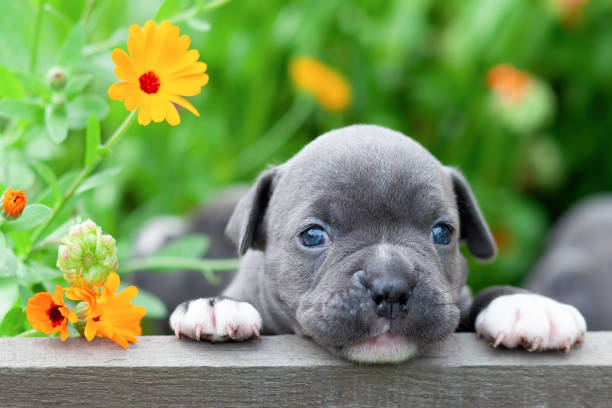
Orphaned puppies need active mental care
In addition to ensuring physical needs, puppies - especially orphaned puppies - also need active mental care. Interact regularly and spend time exploring the world around them to help puppies not feel lonely and become more confident when interacting with humans and other animals. But don't let the puppies overexert themselves, and be mindful when they interact with children or larger animals. Any being that loses maternal care, affection, and support will struggle to survive and grow, but with understanding and love, we can help ease the harshness of this survival process. Although the first two to three weeks of caring for orphaned puppies may be challenging, every effort is worth it when they grow into healthy dogs in the future. Understanding the difficulties of caring for young pups, especially regarding feeding and nutrition, petncute.com has launched the special Protector line for puppies under 12 months. Protector includes three delicious dishes with main ingredients from chicken, pork, and beef to aid digestion, boost immunity, keep the puppy energetic and provide a variety of flavors to prevent boredom. If you are unsure about what to feed your baby today, don't hesitate to try the dishes in petncute.com's Protector menu.