
Many pet owners believe that respiratory illnesses are not dangerous and that their beloved cats will recover in just a few days. I used to think so too until my lovely calico cat, Muop, suffered from a respiratory infection, wheezing, a runny nose, and lost her appetite. When I took her to a veterinary clinic, the vet said, "She nearly developed an infection." I was quite shocked because I didn't think it was that serious. Through that experience, I realized that this disease is not simple at all, so I diligently wrote this article to provide pet owners with truly beneficial knowledge. Let’s take a look together:
1. Causes of Respiratory Diseases in Cats
Respiratory disease in cats is a general term referring to respiratory tract infections caused by one or more viral or bacterial agents. Some viruses and bacteria that harm the respiratory tract of cats, even causing infections, include:
Herpesvirus type 1: This virus causes bronchitis, respiratory tract infections, and lung infections leading to feline influenza, feline celineza, and feline pneumonia.Feline calicivirus: Highly contagious and causes respiratory tract infections, which can lead to oral diseases ranging from mild to severe.Chlamydia: A specific strain, similar to a virus, leading to symptoms like watery eyes or a runny nose.Bordetella: Cats that suffer from respiratory diseases due to contact with this virus in overcrowded living conditions or related to stress.Fungi: Cats can develop respiratory infections when exposed to bird droppings or moldy, damaged plants.In which, Feline calicivirus (FCV) and Herpesvirus (FVR) are two main agents (accounting for up to 90%) causing respiratory diseases in cats. The viruses and bacteria that cause respiratory diseases in cats are highly contagious. An infected cat will release infectious particles in saliva or secretions from the nose and eyes. Sensitive cats can contract the disease if they come into contact with cats suffering from respiratory illnesses through food and water bowls, litter boxes, toys, etc.
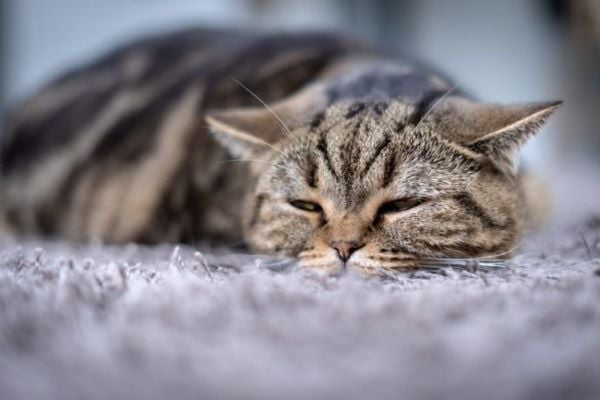
Causes of Respiratory Diseases in Cats
2. Symptoms and Diagnosis of Respiratory Diseases in Cats
2.1. Symptoms
Diseases of the respiratory tract directly affect the nose and throat, so they often cause symptoms such as sneezing, nasal congestion, conjunctivitis (inflammation of the lining of the eyelids), discharge from the nose or eyes, and in more severe cases, pus formation. Additionally, cats may show common signs that are easily confused with other diseases, such as loss of appetite, lethargy, fever, enlarged lymph nodes, and eyelid spasms (squinting).
2.2. Diagnosis of Respiratory Diseases in Cats
Viruses and bacteria causing diseases only exist for a short time in the environment and can be easily eradicated if disinfected correctly. Experts have estimated that FVR can survive for less than 18 hours outside the host's body, while FCV can live up to 10 days. Therefore, to know the exact condition of your cat's illness, you should take them to the nearest veterinary clinic for a professional diagnosis.
The process of diagnosing upper respiratory tract infections usually relies on characteristic clinical signs. Depending on each case, the veterinarian will have an appropriate diagnostic approach:
In cases where the respiratory disease is caused by viruses or bacteria: Determined by collecting cell samples and secretions from the nose, eyes, or throat. C. felis organisms (bacteria) can be identified through conjunctival scraping (samples taken from the eye via a minor surgical procedure, usually with local anesthesia or sedation for the cat).
In cases where the respiratory disease worsens and spreads to the lungs: Samples are taken through a tracheal wash procedure (instilling a sterile fluid through the lungs). In cases where symptoms persist and recur frequently: The vet will conduct additional diagnostic tests, including X-rays, blood tests, or tests for the sensitivity of secretions.

Symptoms and Diagnosis of Respiratory Diseases in Cats
3. Two Important Notes When Caring for Cats with Respiratory Illnesses
3.1. Notes on Health Care
The majority of respiratory infections will not lead to severe complications and will recover quickly if treated and cared for appropriately. Specifically, when a cat has a stuffy nose or difficulty breathing, you should steam them for about 10 - 15 minutes according to the vet's instructions. In cases where the cat's nose runs excessively, the vet will prescribe nasal drops to reduce this condition, helping to prevent damage to the cat's nasal tissues. If the cat becomes dehydrated, weak, or the condition worsens, the veterinarian will recommend hospitalization for more intensive treatment.
3.2. Notes on Nutrition
Additionally, when a cat has a respiratory infection, they will have a diminished sense of smell and may lose their appetite. Therefore, you should prepare appealing meals to stimulate their senses. If you’re busy, you can buy canned fresh pâté to improve the cat's loss of appetite. If you are still uncertain about which products to choose, you can consider these two lines: Tasty for cats over 3 months old (including Beef in Mouth, Seafood Buffet, Big Tuna, Chicken-Fish Alliance, Fattened Chicken) and Protector for cats under 3 months old (including Sea Big Fish, Fatty Salmon Belly, River Fish, Youthful Chicken-Fish, Small Chicken, Unified Shrimp-Fish). These are products researched by petncute.com over a long period to balance nutritional content, ensuring your beloved cat not only enjoys their meals but also recovers quickly.

Notes when caring for cats with respiratory diseases
4. How to Prevent Respiratory Diseases in Cats That Owners Should Know
There's a saying, "prevention is better than cure," so you should take preventive measures to ensure your cat doesn't contract respiratory-related diseases. Specifically:
Properly isolate infected cats to protect other pets living in the same environment.Always proactively vaccinate your beloved cat to prevent severe conditions and respiratory infections.Regularly take your cat for periodic check-ups at a veterinary clinic (every 3 months) to screen for clinical signs and prevent infections.In conclusion, the above article provides comprehensive knowledge about respiratory diseases in cats, symptoms, diagnosis methods, and care and prevention notes. Petncute.com hopes your beloved cat recovers quickly and stays healthy and happy!